Short answer: To prove fault in a car accident claim, you need to show the other driver acted negligently. Evidence like police reports, witness statements, photos, and traffic laws can help. Gather evidence immediately, report to police, and document everything.
Key takeaways
- Fault is based on negligence, not who got hurt.
- Police reports are helpful but not always decisive.
- Photos from the scene can make or break your case.
- Witness statements add credibility to your story.
- State laws (comparative vs. contributory) affect your payout.
- A lawyer can help if fault is disputed.
What you will find here
- What Does “Fault” Mean in a Car Accident Claim?
- Gathering Evidence at the Scene
- Using the Police Report
- Witness Statements: Why They Matter
- Other Evidence That Can Prove Fault
- Your State’s Fault Rules
- Dealing with Insurance Companies
- When to Hire a Lawyer
- Common Mistakes That Hurt Your Case
- How to Present Your Evidence
- Next Steps After an Accident
If you’ve been in a car accident, you know the aftermath can be confusing. The other driver’s insurance company might try to blame you. Your own insurer may hesitate. The key to getting fair compensation is proving that the other driver was at fault. This means showing they were negligent—that they failed to drive with reasonable care, and that failure caused the crash.
Fortunately, you don’t need a law degree to build a strong case. You need the right evidence, collected at the right time. Here’s how to prove fault in a car accident claim, step by step.

What Does “Fault” Mean in a Car Accident Claim?
In legal terms, fault in a car accident usually means negligence. Negligence has four parts: duty, breach, causation, and damages. The driver had a duty to drive safely. They breached that duty by speeding, running a red light, texting, or other careless acts. That breach directly caused the accident. And the accident caused your injuries or property damage.
Your job is to prove these elements. You don’t have to prove it “beyond a reasonable doubt” like in a criminal case. You just need to show that it’s more likely than not that the other driver was negligent. That’s called the “preponderance of the evidence” standard.
Proving fault isn’t always straightforward. Sometimes both drivers share blame. The law in your state determines how shared fault affects your claim.
Gathering Evidence at the Scene
The moments right after a crash are critical. If you can, collect evidence while it’s fresh. Your phone is your best tool.
Take Photos and Videos
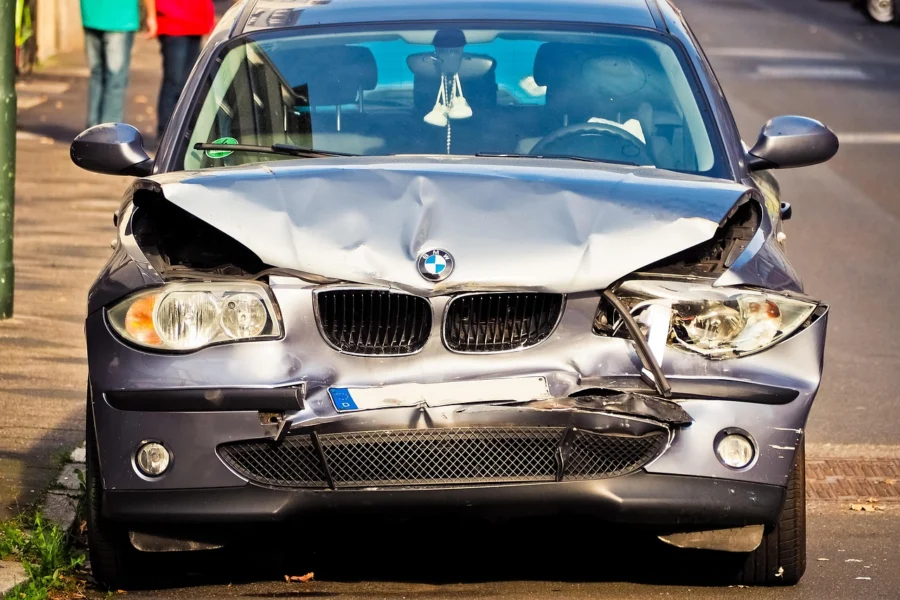
Photograph everything: the damage to all vehicles, the positions of the cars, skid marks, traffic signals, road conditions, and any visible injuries. Take wide shots and close-ups. Video can help show the layout of the scene.
These images are powerful because they are objective. They don’t rely on memory, and they can’t be changed later.
Get Contact Information
Exchange names, phone numbers, insurance information, and license plate numbers with the other driver. Also, get contact details from any witnesses. Witnesses can provide unbiased accounts of what happened.
Call the Police
Even for minor fender benders, it’s wise to call the police. A police officer will write a report. That report typically includes the officer’s opinion on who was at fault. Insurance companies and courts respect that opinion.
Learn more about how to get a police report for a car accident claim.
Using the Police Report
The police report is a key piece of evidence. It contains the officer’s observations, statements from both drivers, witness accounts, and often a diagram of the scene. Sometimes it even includes citations—for example, if the other driver was ticketed for running a red light. That citation can be strong evidence of fault.
But a police report isn’t the final word. Officers might get details wrong, and sometimes they write “fault unknown.” Still, it’s usually the first document an insurance adjuster looks at. A report that blames the other driver can lead to a quicker settlement.
If the report contains mistakes, you can request a correction through the police department. That’s a double-edged sword, so get advice first.
Witness Statements: Why They Matter
Witnesses can be your best allies. A neutral person who saw the crash can help confirm your version of events. Their statement can tip the scales, especially if the other driver’s story conflicts with yours.
Ask witnesses to write down what they saw, or record them with your phone if they agree. Get their names and contact information. In a hit-and-run case, witnesses are even more critical because the other driver is gone. See our guide on hit-and-run accidents for more details.
Be careful: don’t coach witnesses. Let them describe what they saw in their own words.
Other Evidence That Can Prove Fault
Photos and witness statements are just the start. Here are other types of evidence that can help.
Traffic Laws
If the other driver violated a traffic law, that can be evidence of negligence. In many states, a violation of a safety law is “negligence per se,” meaning fault is presumed. For example, if they blew a stop sign and hit you, the violation itself may establish negligence.
Vehicle Data and Black Boxes
Many modern vehicles have event data recorders, often called “black boxes.” They record speed, braking, and steering in the seconds before impact. Your lawyer can request this data. It can contradict or confirm the other driver’s story.
Phone Records
If you suspect the other driver was texting, phone records can prove it. This requires a subpoena, so it’s not something you can do alone. But it can be powerful in a serious case.
Medical Records
Your medical records can show the extent of your injuries, which helps establish damages. They can also help connect the injuries to the accident.
Surveillance Footage
Nearby businesses, traffic cameras, or even doorbell cameras may have caught the crash. Ask around. An attorney can help you preserve this footage before it’s overwritten.
Your State’s Fault Rules
How fault is handled varies by state. Some states have “at-fault” insurance systems, where the driver who caused the crash pays. Others have “no-fault” systems, where your own insurance pays for medical bills regardless of fault. In no-fault states, you may still be able to sue if your injuries are serious.
Also, states apply different rules for shared fault:
- Contributory negligence (rare): If you are even 1% at fault, you get nothing.
- Modified comparative negligence (common): You can recover only if you are less than 51% at fault, and your payout is reduced by your percentage of fault.
- Pure comparative negligence (some states): You can recover even if you are 99% at fault, but your payout is reduced.
Understanding these rules helps you know what to expect. It also highlights why it’s crucial to prove the other driver’s fault—your own actions are also under scrutiny.
Dealing with Insurance Companies
Insurance adjusters are trained negotiators. They want to settle for as little as possible. When you file a claim, you’ll need to present your evidence clearly.
Don’t admit fault at the scene or to the adjuster. Even a simple “I’m sorry” can be twisted into an admission. Stick to the facts.
If you have Personal Injury Protection (PIP) coverage, it can pay for medical bills and lost wages regardless of fault. This can give you breathing room while you pursue a claim against the other driver.
When to Hire a Lawyer
Proving fault can be complex, especially if injuries are serious, fault is disputed, or the case involves large amounts of money. A personal injury lawyer knows how to gather evidence, work with experts, and negotiate with insurers. Most work on a contingency fee, so you pay nothing upfront.
If your case is straightforward and small, you might handle it yourself. But if the other insurer denies fault or lowballs you, getting professional help is a smart move.
Common Mistakes That Hurt Your Case
Even with good evidence, mistakes can undermine your claim. Avoid these:
- Leaving the scene before the police arrive.
- Not seeking medical attention right away.
- Posting about the accident on social media.
- Signing any documents from the insurer without legal advice.
- Accepting a quick settlement before you know the full extent of your injuries.
Each of these can be used against you. A small slip-up can reduce your compensation or destroy your credibility.
How to Present Your Evidence
When you submit a claim, organize your evidence. Create a timeline of events. Include the police report, photos, witness statements, and medical records. Write a clear, factual description of the accident.
Be consistent. If your story changes, your credibility suffers. If you’re unsure about something, say so.
The stronger your evidence, the more leverage you have. An insurer may quickly offer a fair settlement if they see you’re prepared to fight.
Next Steps After an Accident
Right now, focus on your health and recovery. Then, gather evidence as soon as you can. Report the accident to your insurance company. Consult a lawyer if you’re unsure about your rights.
Proving fault isn’t about trickery—it’s about presenting clear, truthful evidence. With the right approach, you can protect your claim and get the compensation you deserve.
Frequently asked questions
What is the most important evidence to prove fault in a car accident?
The most important evidence is often a combination of the police report, photos of the scene, and witness statements. The police report includes the officer’s assessment, which insurers weigh heavily. Photos provide objective details that can counter conflicting stories. Witnesses add a neutral perspective. Together, they form a solid foundation.
Can I prove fault without a police report?
Yes, you can still prove fault without a police report, but it’s harder. You’ll rely on other evidence like photos, witness statements, and your own testimony. Insurance companies may be less willing to accept your version without official documentation. If there’s no report, gather as much other evidence as possible and consider legal advice.
What if both drivers are partly at fault?
Many states use comparative negligence rules, which allow you to recover damages even if you’re partially at fault, but your award is reduced by your percentage of fault. For example, if you’re 20% at fault, you get 80% of the damages. A few states have contributory negligence, which bars recovery if you’re even 1% at fault.
How does a police report affect a car accident claim?
A police report is a key piece of evidence because it provides an official account of the accident. It often includes the officer’s opinion on fault, which insurers and courts respect. If the report cites the other driver for a violation, it can almost automatically establish negligence. However, reports can be challenged or contain errors.
Should I talk to the other driver’s insurance company?
It’s generally best to limit direct communication. The adjuster may try to get you to admit fault or say something that hurts your claim. You can provide basic information, but it’s wise to consult a lawyer first. If you do speak, stick to the facts and avoid speculation. Many people prefer to have their lawyer handle communications.